SodaSlim Official Website › Choosing A Metabolism Supplement
Choosing A Metabolism SupplementChoosing A Metabolism Supplement: Eight Things To Check
Eight checks, in the order they are worth making.
The first two do more work than the other six combined, and both are about numbers on a label rather than claims on a page. The last section applies all eight to the product this desk sells and scores it nine and a half out of sixteen.
Nothing in the checklist was written to flatter any particular bottle, which is easy to verify by reading the score at the foot of the page.
The eight checks
Does the label print an amount for every active?
The single most informative thing on a bottle. A full Supplement Facts panel lets you compare what you are taking with what was tested. A proprietary blend at least gives you a total weight. A list of names with no figures gives you neither.
Is the stimulant content stated?
If there is caffeine in it, the amount belongs on the label, because the commonly quoted safety figure of 400 mg a day for healthy adults is a total from every source. An unstated stimulant cannot be added into anybody's daily arithmetic.
Which part of the plant, and standardised to what?
Leaf and root are different chemistry. Roasted and unroasted beans are different chemistry. An extract standardised to a named compound at a named percentage is a different product from one that names only the plant.
Do the ingredients have human trials, or only animal ones?
A cell line is a hypothesis, an animal study is a hypothesis with a body around it, and a randomised controlled trial in people is evidence. Products in this category routinely present the first two as though they were the third.
How many capsules a day, and when?
Adherence is the variable nobody markets and everybody fails at. A once-daily capsule is kept up for months; a four-a-day regimen split across meals is abandoned in week three, whatever is in it.
What does the guarantee actually say?
Look for the length, what it runs from, whether opened bottles are included, who pays return postage and how a claim is started. A window that begins at purchase and is claimed by telephone is a real policy. One with no route to start it is a marketing line.
Is there a certificate of analysis, and is it published?
A reference number is a filing. A published certificate with identity, potency and a contaminant panel is a document. Most of this category has the first and not the second, and the difference is worth knowing before rather than after.
Who is selling it, and can you reach them?
A telephone number answered by people, a named returns address and an editorial desk that corrects things are worth more than any seal on the bottle. A seller with none of the three is a seller you cannot go back to.
Why the first two checks outrank the other six
Because everything else on a supplement label is a claim and those two are measurements. A seal is a statement about a factory. A review is a report of an experience. A mechanism is a hypothesis. A printed milligram figure is the only thing on a bottle that can be checked against a published trial, and it is the only thing that lets a buyer tell a formula from a gesture.
The stimulant check is second for a practical reason rather than a principled one. The review behind the 400 mg a day figure for healthy adults is explicit that it is a total from every source, so a person who drinks coffee and takes an unstated stimulant capsule is guessing about a number they were told to keep under. Emergency department surveillance found weight-loss products over-represented among supplement-related visits, driven largely by stimulant effects.
The remaining six matter and they are second-order. A product that answers the first two well and the rest badly is at least legible. A product that answers the first two badly is asking to be taken on trust, and trust is not a property a capsule can have.
A seal is a claim about a factory. A milligram is a claim you can check. Only one of the two tells you what you are swallowing.
What a good label in this category looks like
It is worth describing the target, because most of the category is far enough from it that a reader can lose the standard. A good bottle in this category prints a Supplement Facts panel with a named amount against every active, states the plant part and the standardisation for each extract, and gives its caffeine content in milligrams whether the caffeine is added or comes from the tea.
It carries an other-ingredients line, so a buyer can see what the shell is made of and whether the vegetarian mark on the front is earned. It publishes a certificate of analysis for the batch, with identity, potency and a contaminant panel, rather than a reference number.
And it says what it is for in the register the law provides, without a sales page attached to it making claims the bottle does not. Work on label-derived supplement databases describes how much downstream information depends on that first panel being there.
None of that is expensive. Printing a panel costs the same as printing a list of names, and most of the category prints the list.
- A Supplement Facts panel with an amount against every active.
- Plant part and standardisation for every extract.
- A caffeine figure in milligrams, from all sources in the formula.
- An other-ingredients line, including the capsule shell.
- A published certificate of analysis, not a reference to one.
- A sales page that does not exceed the label.
The checklist applied to the product this desk sells
| Check | Score | Why |
|---|---|---|
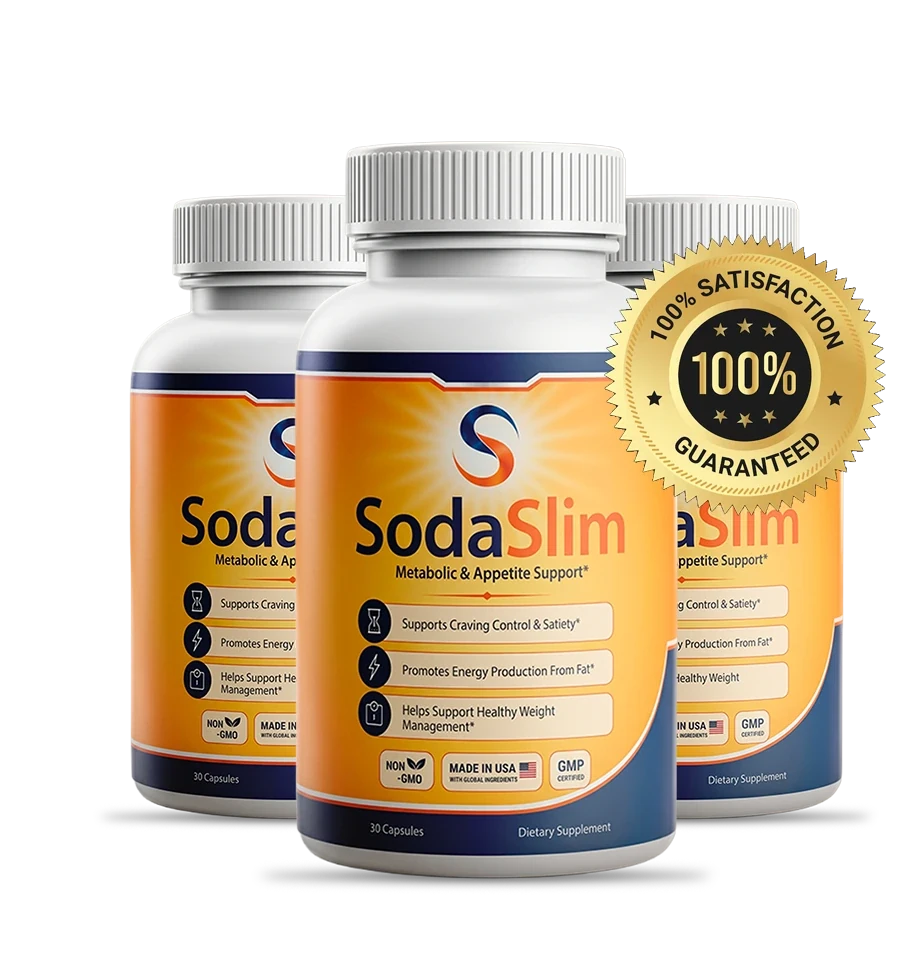
| Amounts printed for every active | 0 of 2 | No Supplement Facts panel appears anywhere in the artwork. This is the worst possible answer to the most important question. |
| Stimulant content stated | 0 of 2 | Caffeine anhydrous is named first on the front panel and no amount is given for it, nor for the green tea extract beside it. |
| Plant part and standardisation | 1 of 2 | Green coffee bean is specified as the unroasted seed and green tea as leaf, which is more than many labels manage. No standardisation percentage is given. |
| Human trials behind the ingredients | 1.5 of 2 | Four of the five carry randomised human trials. Raspberry ketone carries none. |
| Daily routine | 2 of 2 | One capsule, once, in the morning. Nothing in this category is simpler to keep up. |
| The guarantee | 2 of 2 | Sixty days from the purchase date, opened bottles included, claimed by telephone with an order ID. Return postage is the buyer's, which is normal. |
| Certificate of analysis | 0.5 of 2 | A certificate reference exists for the batch. No certificate is published, so the reference establishes that a filing exists and nothing else. |
| The seller | 2 of 2 | A telephone number, a named office, a named returns address and an editorial desk that publishes corrections on the page. |
Scored out of two on each of the eight checks, for sixteen in total. The marking was not adjusted because this desk sells the product.
Nine and a half out of sixteen. The profile is unusual and it is worth reading rather than summing: this product scores full marks on everything to do with how it is sold and how it is taken, and close to zero on everything to do with what is in it.
That is a coherent result rather than a contradictory one. The routine is genuinely the simplest in the category, the guarantee is real and claimable by telephone, the seller has an address and answers corrections, and four of the five ingredients are the right four. What is missing is the panel, and the panel is the thing that would let a buyer check any of the rest.
A reader for whom the first two checks are decisive should not buy this bottle, and this desk would rather say so on its own guide than take the order. A reader who weighs adherence and terms more heavily will find this a reasonable product at a reasonable price.
The product pages are ingredients, pricing and the guarantee, and the eight seals are audited on testing and quality.
Sources behind this checklist
- Nawrot P, Jordan S, Eastwood J, et al. Effects of caffeine on human health. Food Addit Contam. 2003;20(1):1-30. PMID 12519715. https://pubmed.ncbi.nlm.nih.gov/12519715/
- Geller AI, Shehab N, Weidle NJ, et al. Emergency department visits for adverse events related to dietary supplements. N Engl J Med. 2015;373(16):1531-40. PMID 26465986. https://pubmed.ncbi.nlm.nih.gov/26465986/
- Batsis JA, Apolzan JW, Bagley PJ, et al. A systematic review of dietary supplements and alternative therapies for weight loss. Obesity (Silver Spring). 2021;29(7):1102-1113. PMID 34159755. https://pubmed.ncbi.nlm.nih.gov/34159755/
- Saldanha LG, Dwyer JT, Bailen RA, et al. Characteristics and challenges of dietary supplement databases derived from label information. J Nutr. 2018;148(suppl_2):1422S-1427S. PMID 31505680. https://pubmed.ncbi.nlm.nih.gov/31505680/
- Navarro VJ, Khan I, Björnsson E, et al. Liver injury from herbal and dietary supplements. Hepatology. 2017;65(1):363-373. PMID 27677775. https://pubmed.ncbi.nlm.nih.gov/27677775/
- Abourashed EA, Roberson CL, Elsharkawy N. Content variation of catechin markers, total phenolics and caffeine in green tea dietary supplements. J Diet Suppl. 2016;13(2):171-84. PMID 25299974. https://pubmed.ncbi.nlm.nih.gov/25299974/
- Using Dietary Supplements Wisely. National Center for Complementary and Integrative Health, National Institutes of Health. https://www.nccih.nih.gov/health/using-dietary-supplements-wisely
- Dietary Supplements: What You Need to Know. Office of Dietary Supplements, National Institutes of Health. https://ods.od.nih.gov/factsheets/WYNTK-Consumer/
- Questions and Answers on Dietary Supplements. U.S. Food and Drug Administration. https://www.fda.gov/food/information-consumers-using-dietary-supplements/questions-and-answers-dietary-supplements